
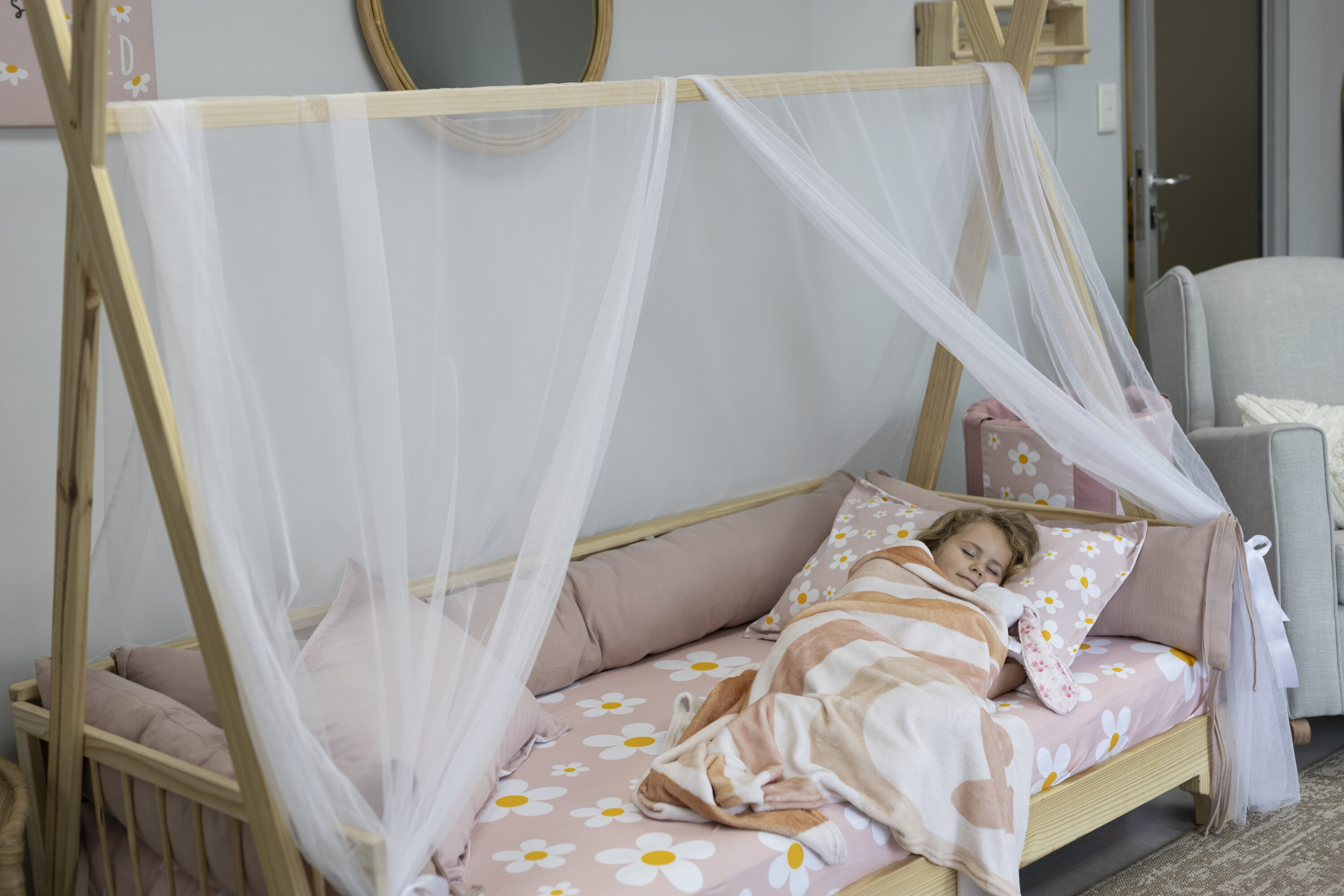
The Ultimate Toddler Bed Transition Checklist
How to Help Your Toddler Sleep Better in Their “Big Bed” (Without Stress) Transitioning your…
Home > Mommy Blog
Let’s be real—raising a baby is expensive. Whether it’s diapers, clothes, or gear, the costs can pile up faster than you can say “baby shower.” And for us South Africans, making those Rands stretch is a skill we’ve mastered. It’s like pulling a hot fizzer to its absolute limit—there’s always more to give!
But here’s the good news: You don’t have to splurge on every new baby gadget to give your little one the best. With a bit of planning, smart shopping, and some good old South African resourcefulness, you can get high-quality baby products without burning through your wallet. Let’s dive into how you can save and still give your kids the good stuff!
1. Prioritize the Essentials
The first thing to remember is that babies don’t need as much as the baby stores want you to think. Don’t feel pressured to buy everything brand new or to tick off every item on those lengthy baby registry lists. Focus on the essentials, like a car seat, diapers, a crib, and basic clothing. Fancy gadgets and designer baby clothes? Not so essential.
Start by asking yourself: What will your baby actually use daily? A good-quality stroller might be worth the splurge, but that high-tech bottle warmer? Not so much.
Pro Tip: Check local mom groups or online forums for second-hand essentials in good condition—sometimes moms are just looking to pass them on!
2. Second-Hand is the New First-Class
Don’t be afraid to go second-hand. Babies outgrow things fast, and many gently-used items are in great condition. From strollers to cribs, South Africa’s Facebook Marketplace, Gumtree, and OLX are treasure troves for high-quality baby products at a fraction of the price.
I found Mikael’s cot from a mom on Facebook who barely used it—it was in mint condition and cost me a third of what I would have spent in-store. Plus, buying second-hand is an eco-friendly choice! Fewer items in landfills and more money in your wallet? That’s a win.
3. Buy Local, Support Local
You know us South Africans—local is lekker! South African-made baby products are often more affordable than imported brands, and they don’t compromise on quality. Brands like Cinnamon & Spice create custom baby bedding and accessories that are both affordable and beautifully crafted.
By supporting local, you’re also helping local entrepreneurs thrive, and the bonus is that you avoid those pesky import duties that come with international products.
Pro Tip: Keep an eye on local markets, Instagram stores, and small South African brands that offer unique baby items without the international price tag. You’d be surprised how often you can score amazing deals right here at home.
4. Tap into the Power of Baby Swaps
Ever heard of a baby swap? These are events where parents come together and trade baby items that their little ones have outgrown. It’s like shopping but without spending a cent! Whether you’re swapping clothes, toys, or baby gear, you’ll find everything you need (and then some) at a fraction of the cost.
Check out social media groups or local community pages for upcoming swaps. It’s also a great way to meet other parents and share tips on where to find the best deals.
5. Sales, Sales, Sales
This might sound obvious, but never underestimate the power of a good sale. Stock up on baby essentials during seasonal sales or clearance events. Big retailers like Clicks, Dischem, and Baby City often have end-of-season sales, and you can grab diapers, baby wipes, or baby clothes at a significant discount.
If you’re not in a hurry, wait for Black Friday or January clearance sales to snag those bigger items like prams or car seats.
6. Bulk Buy for the Win
One thing babies will go through faster than you think? Diapers and wipes! These are non-negotiable essentials, so consider buying in bulk to save. Stores like Makro or Takealot often offer deals on bulk packs of nappies and wipes that can help cut down your monthly baby budget.
It may seem like a big upfront cost, but you’ll thank yourself later when you’re not running out to the shops every second day.
7. DIY Baby Toys and Sensory Play
Not every toy has to come from a store. Many of the best baby toys are things you probably already have at home. Sensory play, for instance, can be created with rice, pasta, or water, which babies love to feel and explore. And guess what? It’s free!
Cara’s favorite toy during her teething stage? A frozen washcloth. Mikael? He couldn’t get enough of our pots and pans. Sometimes, the simplest items provide the most fun.
Pro Tip: Create a DIY sensory bin using items from around the house—rice, plastic spoons, and small containers can keep babies entertained for hours.
Conclusion:
Parenting on a budget doesn’t mean you have to sacrifice quality. With a little resourcefulness (and a lot of sales), you can get high-quality products for your baby without spending a fortune. Prioritize the essentials, embrace second-hand shopping, support local, and remember that babies don’t need everything to be brand new. It’s all about making your Rands stretch, like a good old hot fizzer!
So, take a deep breath, mama—you’ve got this! #MomLife easier and prettier (and more affordable) since 2020.



Copyright and Cinnamon & Spice. All rights reserved.

